Leaving home for the first time
“That year, I took a suitcase to Shenzhen to look for work for the first time.”
Hong Kong life story and family biography service
A parent’s memory. A family’s story.
Record one memory. Review the story, then invite family to add their version.
One memory is enough to begin.
Background: fictional story illustration, not a real customer
Xiaoan Life Stories (传家记) helps families turn interviews, recordings, text and photographs into reviewed life stories and books. Start with one memory, check names and dates with your family, add photos or illustrations, then export PDF or Word. Free trial available; contact us through WeChat to agree any paid services.
Family memory · fictional example
Contributions keep their own attribution and are reviewed before being saved together. Different memories are not automatically judged right or wrong.
“That year, I took a suitcase to Shenzhen to look for work for the first time.”
“I remember Dad's brother going with him to the station and lending him our family's suitcase.”
Keep Dad's account and his daughter's memory. The family reviews the dates and people together.
Read the writing before deciding whether we can tell your story
The people, organisations and events below are fictional composites created to demonstrate our narrative approach. They are not real clients.
A sudden July shower had passed over Kwun Tong. The workshop's iron door stood half open as rain crept over the threshold and darkened the cardboard boxes on the floor. Lam Kai-wing remembered the second-hand lathe still turning, its belt beating unevenly. He folded the cheque returned by the bank into quarters and slipped it into his shirt pocket, afraid the two craftsmen would see it.
The payment would have covered three months of wages. The client promised another cheque the following week; the bank would only say there were insufficient funds. When he returned home, Ho Mei-ling had reheated dinner for the second time. She did not ask how much they had lost. Instead, she took a school notebook from the drawer.
The notebook did not contain receivables. It held six names: two craftsmen, three apprentices and the woman who brought them lunch each day. She asked, 'If there is only enough for half the wages, who can least afford to wait?' For the first time, Lam realised that he had been watching the numbers while she had been watching the people.
A true family history must also remember the people who never had a title.
On a typhoon night in 1986, only a security guard and the last crew preparing to leave remained in the ferry terminal. Chow Chi-ming descended the wet stairs to the engine room and first noticed the cooling pump vibrating more urgently than usual. The gauges remained within the safe range, but the return-water temperature was wrong. He did not declare a fault. He asked a colleague to power the backup pump and spread the logs from the previous three shifts across the workbench. Across three pages were two small changes others had missed: oil pressure had fallen by less than half a mark while the return-water temperature kept rising. With the wind striking the hull, he made the shutdown decision in fifteen minutes and recorded every judgement in his pocket notebook.
Chan Yuk-lan first opened her suitcase in Hong Kong in a cramped guesthouse near Sheung Wan Pier. It was not heavy: two sets of clothes, a tape measure, four letters from her sister, a family photograph and a folded piece of blue cloth from her mother. Outside, people argued in Cantonese. She understood none of the words and could only guess from their voices who was urging whom. On the first night, she spread the blue cloth over a wooden crate and ate her meal there. The makeshift table gave the narrow room a boundary. It also taught her that home is sometimes not an address, but a piece of cloth one instinctively knows where to lay first.
Three considered steps
First confirm the voice with a sample. Then explore life themes over several interviews. Finally, review each chapter with the family.
Record a memory you want to keep, or upload a recording. Review the names, dates and story before sharing.
Share the reviewed excerpt and invite another family perspective. Contributions are kept as separate sources.
We verify names, dates, places and sensitive details before producing the digital PDF. Printed and keepsake editions can be arranged.
Get started
Currently free to try. For paid services, contact us on WeChat; access will be activated after the specific benefits are confirmed.
Other story formats · fictional examples
The covers and summaries demonstrate themes and art direction only. They do not represent client numbers or testimonials.
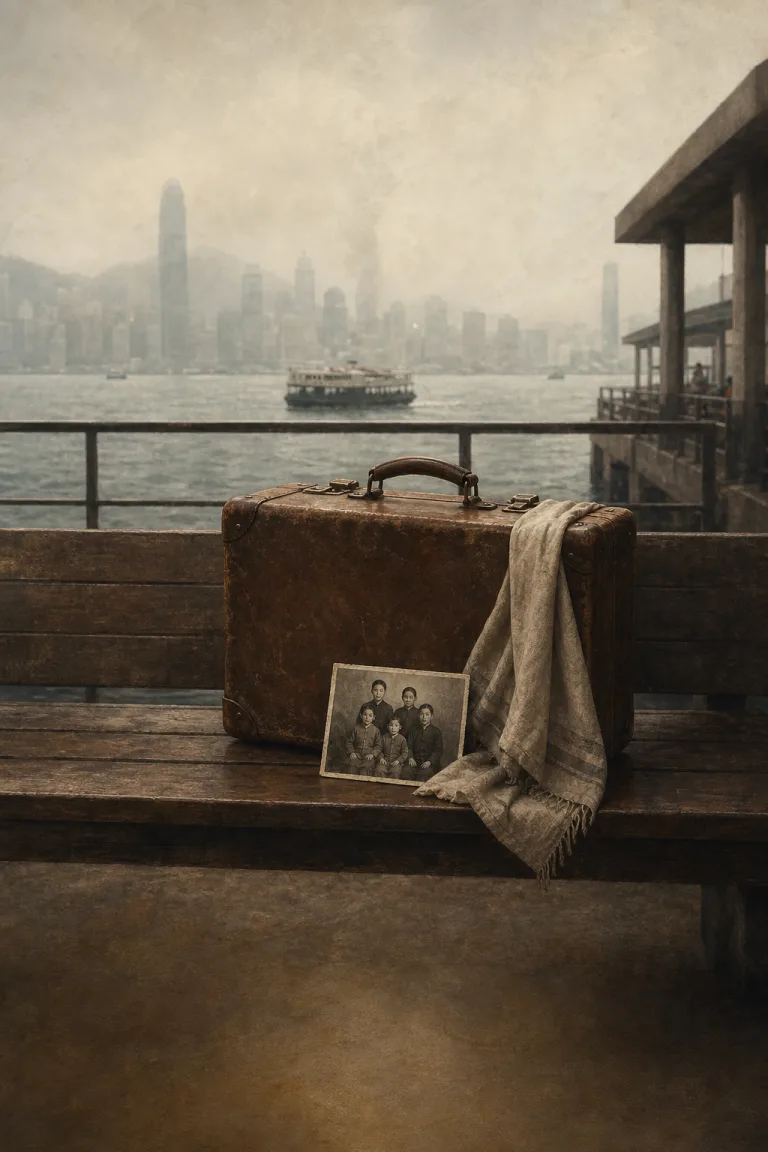
From Wenzhou to Hong Kong and then Toronto, preserving language, craft and the different memories of three generations.
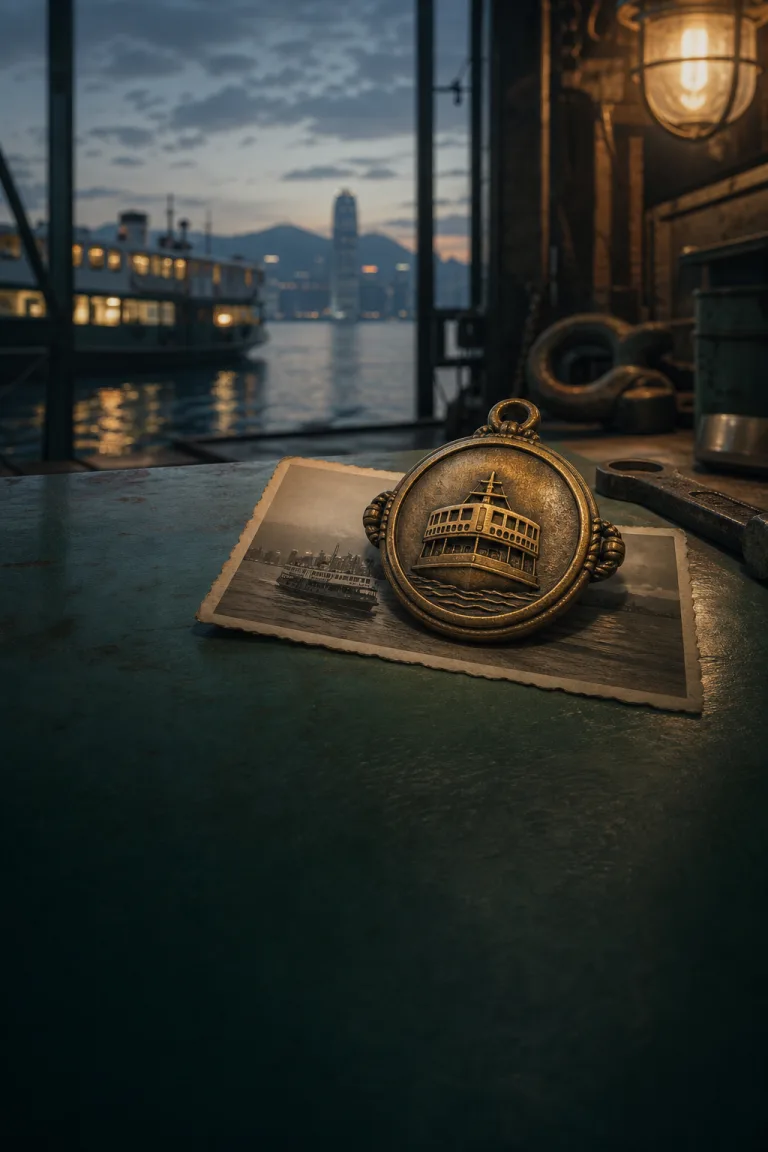
Forty years in the life of a ferry mechanic, shaped by mentors, judgement, responsibility and the time his family gave.
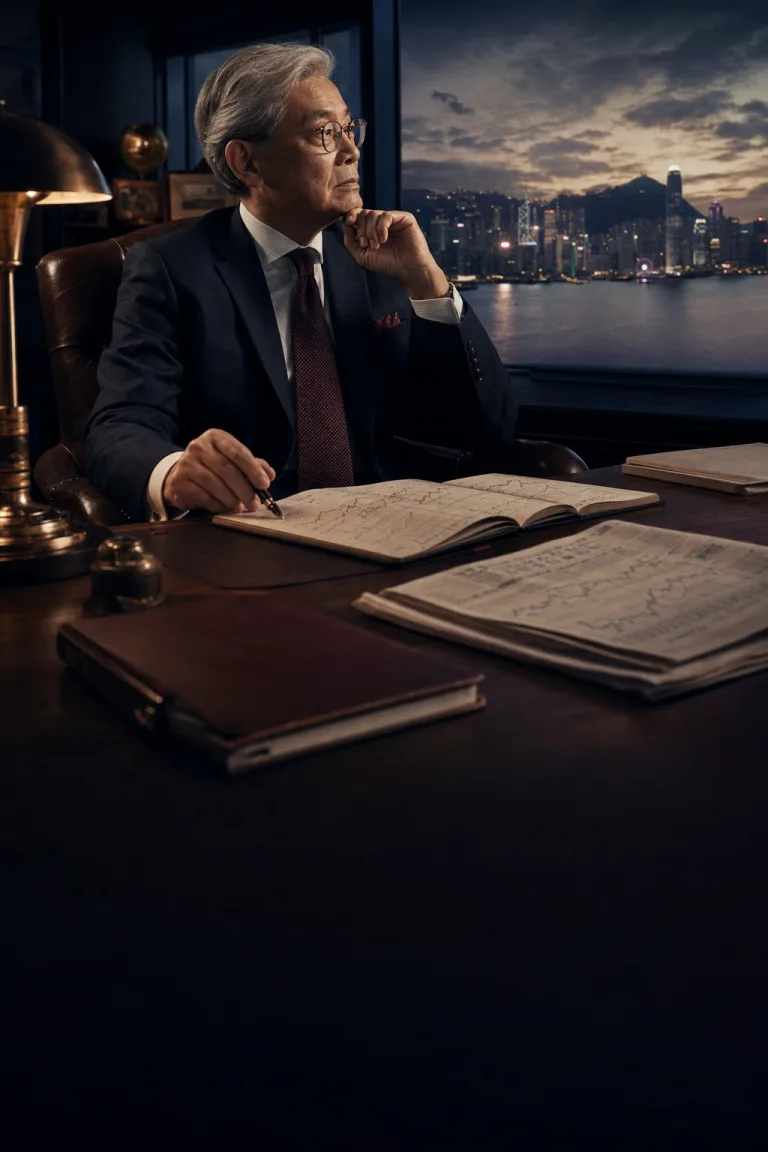
A bounced-cheque crisis, a co-founder and a two-generation succession, told as lived history rather than a success manual.
Explore a service in more detail:
Biographies for parents · Hong Kong family storybooks · Oral history for older adults · Recordings to book · Memorial biography
Stories & guides
Practical guidance for families: how to ask, preserve original voices and handle different versions of the same memory.
Begin with a specific scene, then follow the people, choices and feelings that bring the story back.
Read the guide →A clear look at recording, transcription, event structure, fact checking and chapter design.
Read the guide →Preserve each perspective before separating verifiable facts from personal experience.
Read the guide →Privacy promise
Content is private by default. The narrator may pause, skip a question, revise or delete material.
Frequently asked questions
Yes. We begin with photographs, places, people and everyday details, asking one question at a time. The narrator may skip anything.
No. One interview is suitable for a sample chapter. A complete biography normally takes six to eight interviews or more, followed by chapter-by-chapter review.
Yes. We confirm the interview and book language before starting. Cantonese names, places and specialist terms are manually checked. Bilingual editions are assessed by length.
Technology assists with recordings, timelines and early drafts. People remain involved in interview design, fact checking, emotional nuance and final editing.